What Is an Art Director in Film?
The title existed before the production designer — and was demoted to create it. That history explains everything about where art directors stand today.
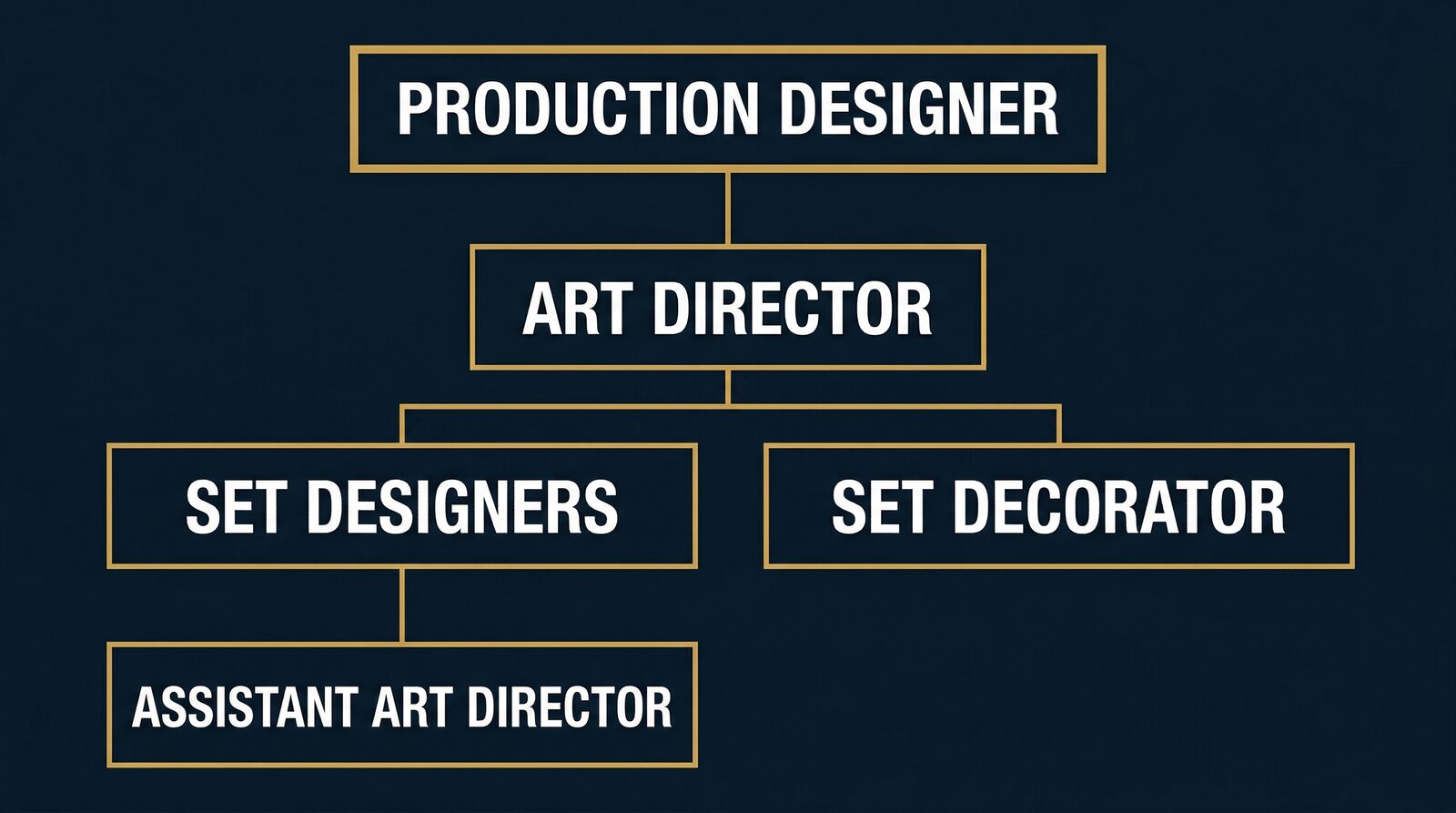
An art director in film is the department head responsible for translating the production designer’s visual concept into physical reality. They oversee the day-to-day operations of the Art Department: managing construction schedules, supervising set designers, coordinating with locations, and tracking the budgets that turn concept art into built environments.
Art directors belong to the Art Department and hold membership in the Art Directors Guild (ADG), IATSE Local 800. On most features and episodic television, they report directly to the production designer.
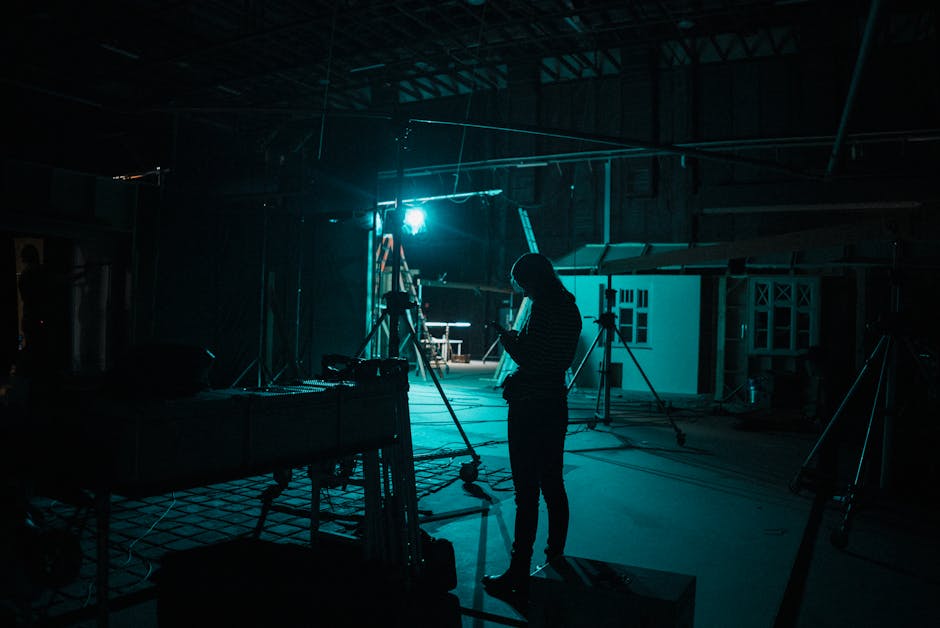
What does an art director do in film?
What Does an Art Director Do?
The production designer sets the visual philosophy. The art director makes it happen. Their responsibilities span every phase of production:
Pre-production:
- Translating the production designer’s sketches and mood boards into working technical drawings
- Overseeing set design and drafting — often managing a team of set designers using AutoCAD or Vectorworks
- Scouting locations alongside the production designer and director
- Breaking down the script for all art department requirements
- Building and managing the art department budget
Production:
- Supervising on-set construction and set dressing in coordination with the set decorator
- Liaising daily with construction, props, special effects, transportation, and locations departments
- Attending production meetings and tech scouts
- Ensuring each set is camera-ready on schedule
Post-production:
- Closing down the art department: wrapping locations, striking sets, returning rentals
- Documenting builds for potential reshoots
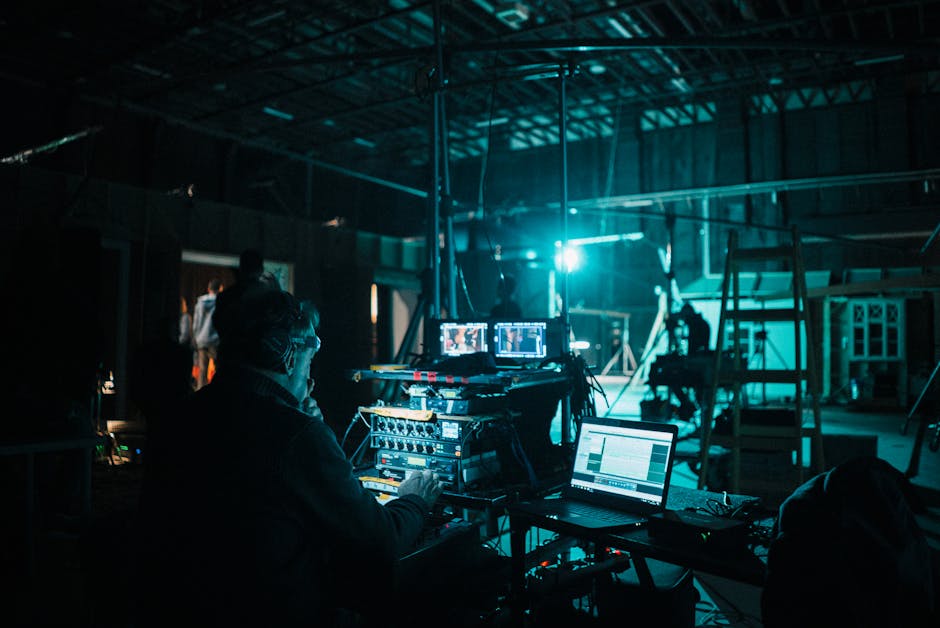
The art director manages the people, paperwork, and timelines that allow the production designer to focus on creative decisions. On smaller productions — indie films, short-form content — one person often holds both titles simultaneously.
Where does the art director appear in film credits?
Where Does the Art Director Appear in Film Credits?
Art directors appear in the end credits, not the opening. Their credit runs in the Art Department block, immediately beneath the production designer.
The standard end credit format is:
Production Designer
SARAH MENZIES

Art Director
JAMES HOBART
On productions with multiple art directors — common on large features with simultaneous unit shoots — each name receives its own line under a shared title card:
Art Directors
JAMES HOBART
DIANA WALSH
PAULO FERREIRA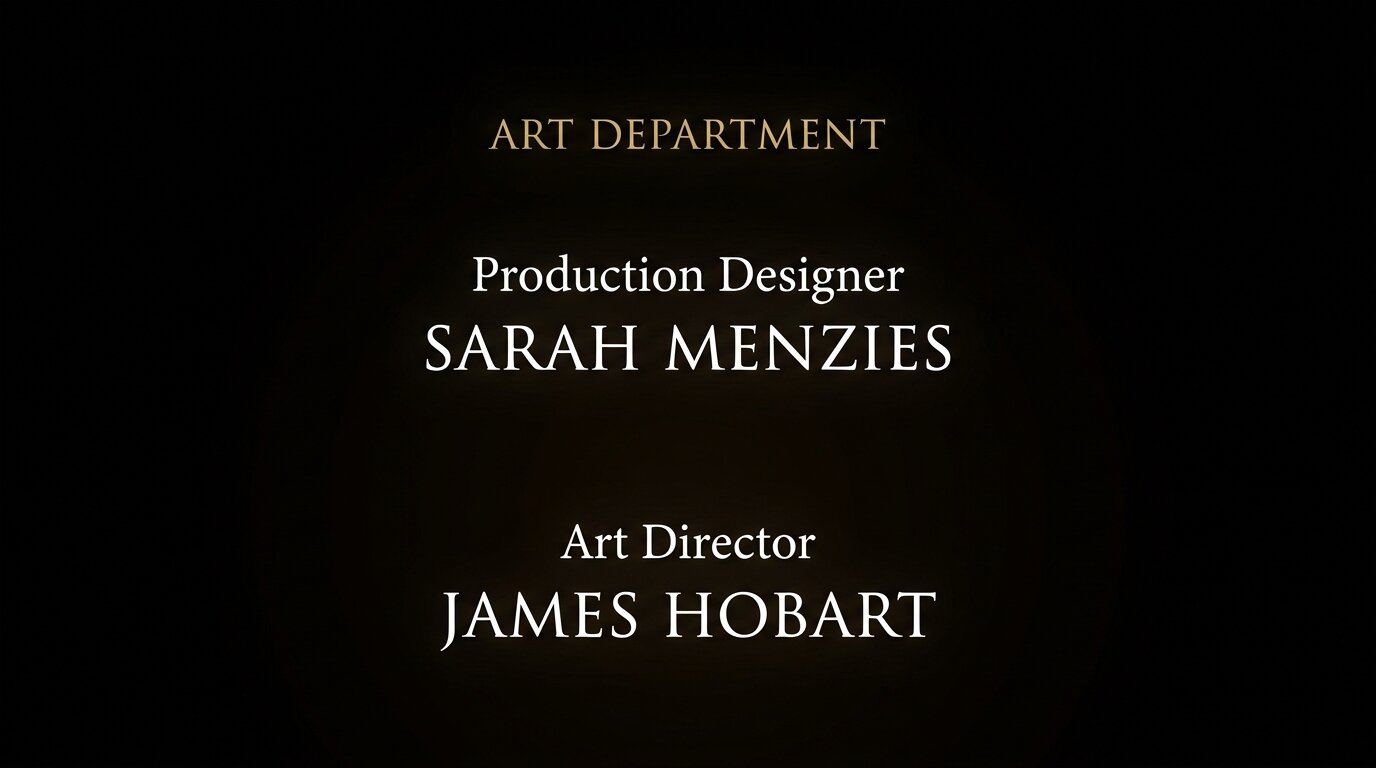
Key billing conventions:
- The title appears as “Art Director” (singular), never abbreviated as “AD” in formal credits
- Art director always follows production designer in the department scroll — the production designer is the senior credit in the department
- On union productions governed by ADG Local 800, the art director credit must appear in the main end credit scroll (not buried in the supplemental crawl)
- The set decorator typically follows the art director in the credit order
For television, the position is sometimes titled “Production Art Director” on high-budget series, particularly when the production designer rotates between episodes and the art director provides continuity across the season.
How to credit an art director correctly
How to Credit an Art Director Correctly
The standard format is straightforward: title on one line, name in caps on the next. No punctuation between title and name.
Correct:
Art Director
JAMES HOBART
Also acceptable (single-line format for lower-thirds or abbreviated credits):
Art Director: James HobartCommon credit variations:
| Situation | Credit Title |
|---|---|
| Standard feature | Art Director |
| Large feature (multiple units) | Art Directors |
| TV with rotating production designer | Production Art Director |
| Low-budget indie (one person doing both jobs) | Production Designer / Art Director |
When one person serves as both production designer and art director — common below the micro-budget threshold — credit them as “Production Designer” only. Using both titles for a single person creates confusion; the senior title takes precedence.
The film credits format order guide covers the full Art Department hierarchy and where each role appears in the scroll.
Art director film salary
Art Director Salary in Film & Television
The U.S. Bureau of Labor Statistics reports a median annual salary of $106,500 for art directors across all industries as of 2023. Film and television rates vary significantly by budget tier and union status.
ADG Local 800 sets minimum rates for covered productions:
- Studio features: Day rates typically range from $2,500–$4,500/day for experienced art directors on major studio pictures
- Television (high-budget episodic): Weekly rates on premium cable and streaming series run $5,000–$9,000/week
- Independent / non-union: Negotiated rates, frequently below guild minimums
Location factors significantly into compensation. Art directors working on New York and Los Angeles productions earn a premium over those in regional markets. A veteran art director with multiple studio credits can command $200,000–$350,000+ for a full feature cycle.
The assistant art director role is a common entry point — these crew members support the art director on drafting, scheduling, and on-set logistics at rates roughly 40–60% of the art director’s own.
Art director vs. production designer
Art Director vs. Production Designer: What’s the Difference?
The distinction is authority and scope.
| Production Designer | Art Director | |
|---|---|---|
| Responsibility | Overall visual concept | Execution and operations |
| Reports to | Director, Producer | Production Designer |
| Main focus | Creative direction | Department management |
| Credit position | Above Art Director | Below Production Designer |
| Guild | ADG Local 800 | ADG Local 800 |
The title “production designer” was created on Gone with the Wind (1939) specifically because producer David O. Selznick felt William Cameron Menzies’ contribution exceeded what “art director” implied. Before that film, the art director was the department head. The Academy’s “Best Art Direction” award eventually became “Best Production Design” — acknowledging that the terminology had shifted at the department’s top.
In practice, on smaller productions the two roles collapse into one person. On a $200M feature, the production designer may not set foot on a set for weeks while the art director manages multiple simultaneous builds across different stages and locations.
How to become an art director in film
How to Become an Art Director in Film
The typical path runs through the art department from the bottom up:
- Entry level: Art department PA, set designer assistant, or art department coordinator
- Junior drafter/set designer: CAD drafting, working under the art director
- Assistant art director: Taking on scheduling, budget tracking, and crew coordination
- Art director: Department operations lead on smaller productions first
Most working art directors have a background in architecture, interior design, or fine arts. Formal degrees in these fields build the drafting and spatial reasoning skills the job demands. Practical experience matters more than credentials — the transition from set designer to art director is more common than the academic-to-set path.
ADG Local 800 membership is required for union productions. Entry typically happens through apprenticeship programs or by qualifying with documented work hours on covered productions.
Key skills the role demands: AutoCAD or Vectorworks proficiency, budget management, scheduling software (Movie Magic or similar), and the ability to read construction blueprints.
Notable Art Directors in Film History
Notable Art Directors and Their Work
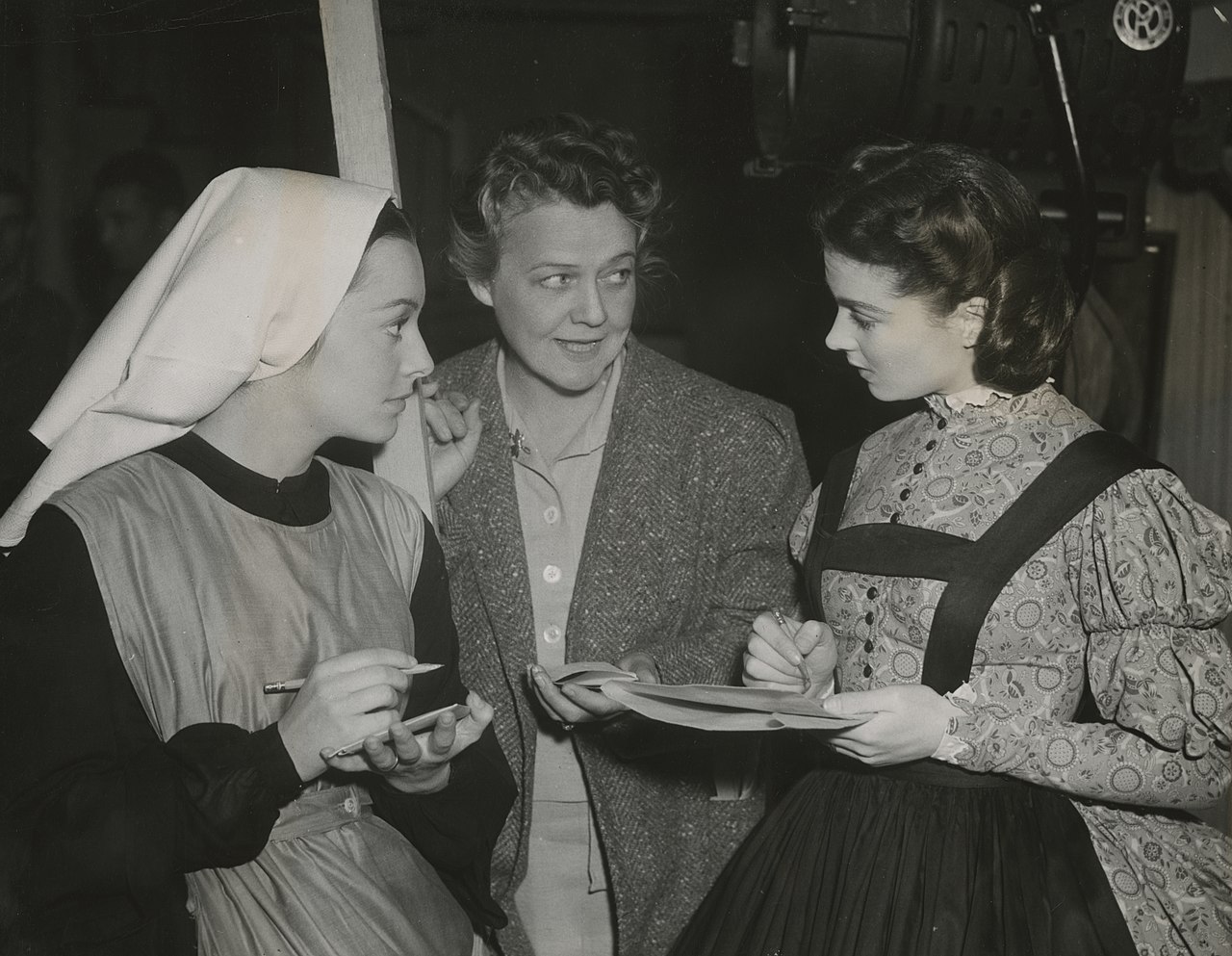
William Cameron Menzies — His work on Gone with the Wind (1939) was so comprehensive — designing every frame of the film visually — that Selznick invented the title “production designer” for him. He remains the benchmark.
Ken Adam — Art director on the early James Bond films, including Dr. No (1962) and Goldfinger (1964). His iconic volcano lair and war room sets (the latter for Dr. Strangelove) defined mid-century film design.
Richard Sylbert — Art director credits on The Manchurian Candidate (1962), Who’s Afraid of Virginia Woolf? (1966), and Chinatown (1974). Later elevated to production designer, his career traced the full arc from AD to department head.
Jeannine Claudia Oppewall — Production designer on L.A. Confidential (1997) and Seabiscuit (2003). Her career path from set designer to art director to production designer is a model for the modern trajectory through the department.
Sources & Further Reading
- Art Directors Guild (IATSE Local 800) — Guild membership, rate agreements, and awards
- Academy of Motion Picture Arts and Sciences — Production Design — Oscar category history (formerly “Best Art Direction”)
Create Professional End Credits with EndCreditsPro
The Art Department block in your end credits needs to be right — production designer first, art director below, set decorator after. EndCreditsPro formats every department automatically, following industry conventions so you don’t have to look up the order.
Generate guild-compliant credits in minutes →
Related roles in the Art Department:
- Production Designer — the creative lead the art director reports to
- Gaffer — a key department head the art director coordinates with on practical lighting integration
- Cinematographer — closely collaborates with the art director on set design decisions that affect lighting
See also:
- Film Credits Format Order Guide — full end credit order for every department
- Complete Guide to Film Credits — billing conventions, union rules, and credit placement