What Is an ADR Mixer in Film?
Every line of dialogue you hear in a finished film has passed through at least two sets of hands. The ADR mixer is the one who decides whether what the actor said on location is actually good enough to use — or whether it has to be done again.
An ADR mixer (Automated Dialogue Replacement mixer) is a post-production sound specialist who runs studio recording sessions to re-record dialogue that couldn’t be salvaged from the original production track. They set up the microphones, operate the recording rig, manage the actors, and capture replacement dialogue that sounds like it was recorded on set — even when it was recorded months later in a climate-controlled studio.
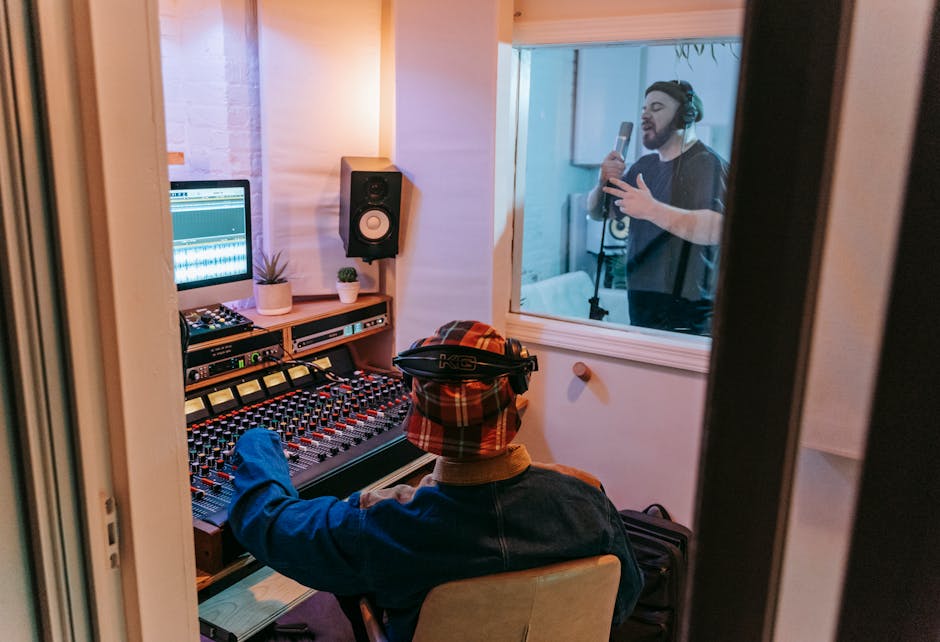
ADR (sometimes called “looping” or “post-sync”) addresses a range of problems: location noise that drowns out dialogue, performances the director wants to improve, or lines that were written after principal photography wrapped. The ADR mixer’s job is to make the fix invisible. They belong to the Sound Post-Production department and typically work out of a dedicated ADR stage at a post-production facility.
What does an ADR mixer do?
Responsibilities on an ADR Session
The ADR mixer’s work begins before the actor walks in the door. They receive a cue list — usually from the supervising sound editor or dialogue editor — specifying every line that needs to be re-recorded, with timecode references and the original production recording as a reference track.
Key responsibilities include:
- Preparing the session: Loading the cue list into Pro Tools, setting up video playback, and configuring the beep track (or “streamers and punches”) that cue the actor to when they need to speak
- Microphone selection and placement: Matching the mic used on set as closely as possible; a U87 on a tight interior versus a shotgun for an exterior scene — the acoustic signature has to match what’s already cut into the edit
- Recording and managing takes: Running multiple passes, listening for the three P’s — pitch, performance, and placement — that determine whether a take will cut
- Room tuning: Using gobos (moveable acoustic panels) to shape the room’s reverb; larger reflective rooms for outdoor sequences, tighter configurations for small interiors
- Surgical ADR: Lifting a single syllable or word from one take to repair a specific moment, rather than re-doing an entire line
- Loop group sessions: Recording groups of 4–8 background actors performing “walla” — crowd chatter, party background, police radio — that adds environmental texture to scenes
- Comp assembly: Selecting the best material across takes and assembling a composite track that goes to the dialogue editor for final cutting
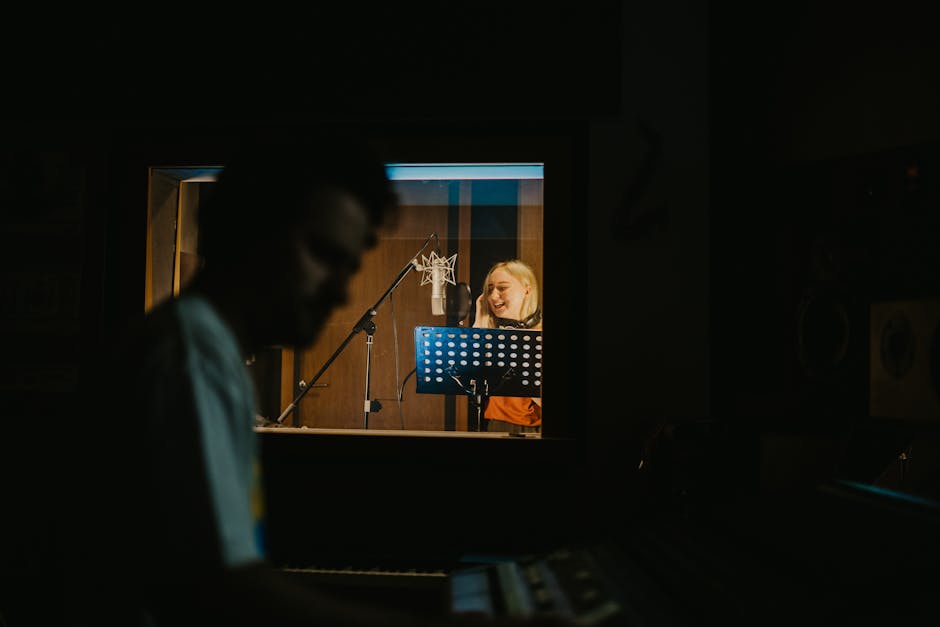
The ADR mixer does not cut the replacement dialogue into the timeline — that’s the dialogue editor’s job. The mixer’s output is clean, well-recorded raw material.
Who the ADR Mixer Works With
| Collaborator | Role in ADR |
|---|---|
| Supervising Sound Editor | Approves the cue list; attends key sessions |
| Dialogue Editor | Receives the recorded takes and cuts them into the edit |
| Re-Recording Mixer | Will blend the ADR with production sound in the final mix |
| Director | Often present for principal cast sessions |
| Actors | Perform the replacement lines; the mixer coaches their physicality and distance from mic |
Where does the ADR mixer appear in film credits?
ADR Mixer Credit Placement in End Credits
The ADR mixer is credited in the Sound Post-Production block of the end crawl — the section that covers all sound work done after principal photography. This block typically follows Music Credits and precedes or follows the Foley credits, depending on the studio’s standard formatting.
The credit appears under a department header such as:
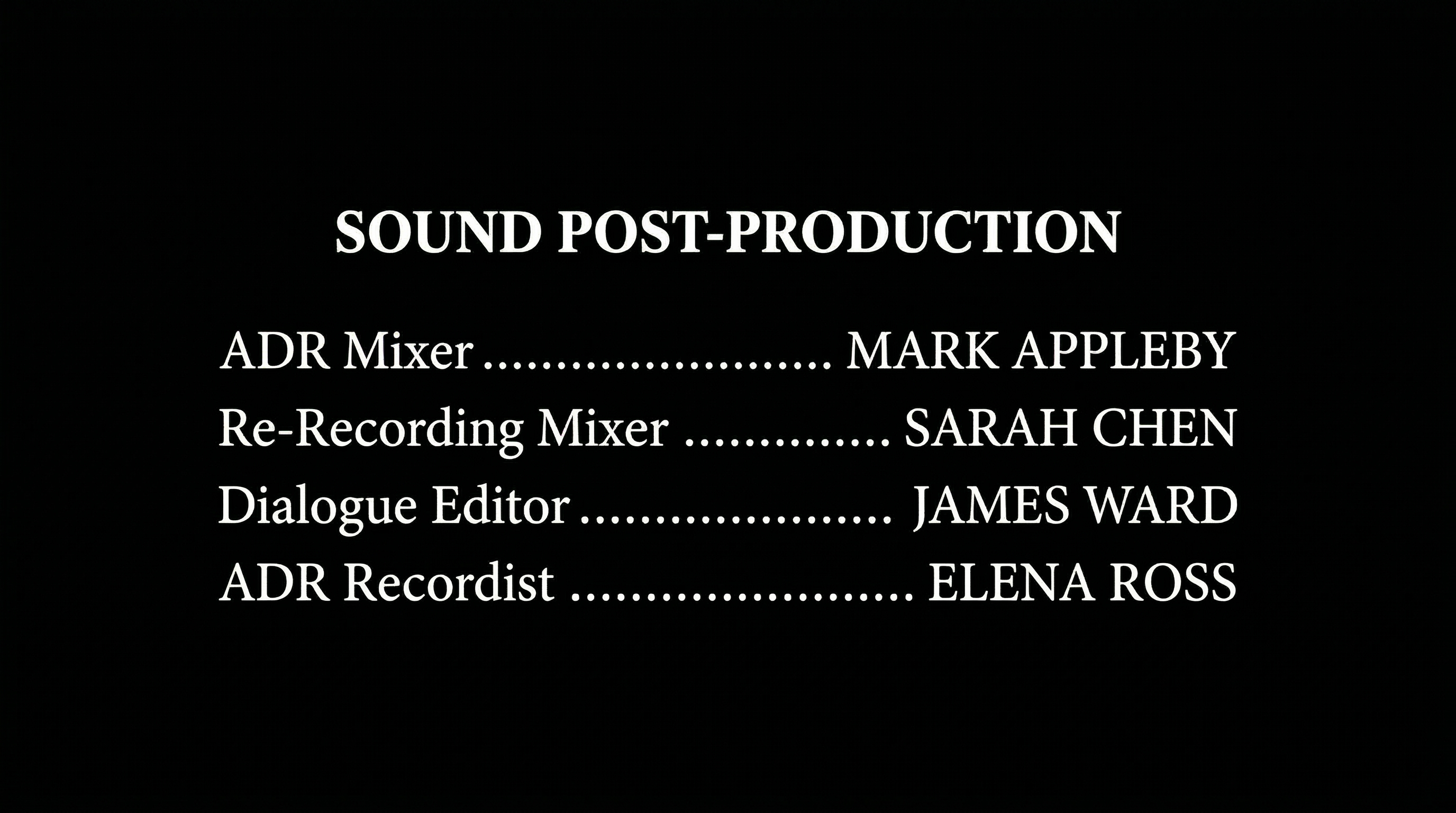
SOUND POST-PRODUCTION

ADR Mixer .................... [Name]
On larger productions with extensive ADR work, you may see the credit expanded:
ADR Mixers ................... [Name]
                              [Name]
Opening credits: ADR mixers do not receive opening credits. This is a post-production role; opening credits are reserved for above-the-line talent and a small number of heads of department.
Guild jurisdiction: ADR mixers who work on union productions in the U.S. are represented by IATSE Local 695 (West Coast) or IATSE Local 52 (East Coast), which cover production sound and post-production sound roles. On productions signatory to IATSE agreements, the ADR mixer’s credit placement and billing format may be subject to the collective bargaining agreement.
SAG-AFTRA rates for ADR sessions: When SAG-AFTRA actors are called back for ADR, the session rates are governed by the applicable SAG-AFTRA agreement (Feature Film, TV, etc.). This is separate from the ADR mixer’s own deal — the mixer works under IATSE jurisdiction, not SAG-AFTRA.
How to credit an ADR mixer correctly
Credit Format and Title Variations
The standard credit title is “ADR Mixer”. Some productions use alternate titles:
| Credit Title | When Used |
|---|---|
| ADR Mixer | Standard — most U.S. film and TV productions |
| ADR Recordist | Common in the UK and Canada; same role |
| ADR Engineer | Occasionally used; less common |
| Dialogue Recordist | Rare; sometimes seen on older productions |
“Re-Recording Mixer” is not the same role — do not use these titles interchangeably. (See the comparison section below.)
A correct end-credit entry:
ADR Mixer .......................... MARK APPLEBYIf one person handled both ADR mixing and other sound post duties, list their primary credit first and note the additional role:
ADR Mixer / Foley Mixer ............ [Name]For loop group sessions, some productions add a separate credit:
ADR Loop Group Mixer ............... [Name]This is common on productions where the principal ADR mixer and the loop group mixer are different people — episodic TV often splits these roles.
ADR mixer vs re-recording mixer
Two Different Jobs That Both Say “Mixer”
These two titles cause persistent confusion, even among people who work in film. They are distinct roles with different responsibilities, different working environments, and different positions in the credit block.
| ADR Mixer | Re-Recording Mixer | |
|---|---|---|
| What they do | Records replacement dialogue with actors | Blends all audio elements in the final mix |
| When | Mid-to-late post-production | Final mix stage |
| Where | ADR stage (recording studio) | Dubbing stage (mixing theater) |
| What they work with | Microphones, actors, cue sheets | Multi-track sessions, stems, deliverables |
| Credit position | Sound Post-Production block | Usually earlier in post credits; often prominent |
| Guild | IATSE 695 / 52 | IATSE 695 / CAS |
On small productions, one person occasionally handles both — but on any studio feature or major streaming series, these are separate specialists in separate facilities.
The re-recording mixer (also called the “dubbing mixer” in the UK) attends the final mix where production dialogue, ADR, music, foley, and sound effects are blended together into the deliverable. Their credit often appears more prominently — sometimes with a “Special Thanks” adjacent to the music credits. The ADR mixer’s credit is in the body of the sound post block.
Similarly, an ADR mixer is not the same as a foley artist — the foley artist performs and records sound effects (footsteps, props, cloth movement), not dialogue replacement.
Notable ADR mixers in film
The Practitioners Behind Major Productions
Greg Crawford, CAS — Over 500 film and television credits, including Spider-Man, Ant-Man, and multiple Marvel features. Crawford is known in the industry for his precision with mic placement and his approach to managing actors’ anxiety in the ADR booth.
Mark Appleby — Based at Goldcrest Post in London, Appleby has mixed ADR for Baby Driver, Kingsman, Ready Player One, Cruella, and No Time to Die. His work spans major studio tentpoles and independent productions.
Eric Gotthelf — ADR mixer at Warner Bros. Studios since 1990, with credits on Schindler’s List and Training Day. Gotthelf received his IATSE union card in 1984 and has spent decades at the intersection of principal ADR and episodic television.
Scott Gershin — New York-based ADR mixer (Soundtrack New York) with credits including The Mandalorian, Birdman, Guardians of the Galaxy, and 13 seasons of Law & Order: SVU.
Sources & Further Reading
- Editors Guild — Eric Gotthelf Profile — First-person account of the ADR mixer’s daily work and career path
- Abbey Road Institute — Interview with Mark Appleby — Technical deep-dive from a working ADR mixer at Goldcrest Post
- Berklee College of Music — ADR Recordist career profile — Skills and educational path for entering the field
Create Professional End Credits with EndCreditsPro
Getting the ADR mixer credit right is one of dozens of formatting decisions in a complete end crawl. EndCreditsPro auto-formats your sound post-production block — correct titles, correct order, correct typography — so your credits meet broadcast standards without having to reference a style guide for every line.
Generate guild-compliant credits in minutes →
Related roles: Sound Editor · Sound Designer · Boom Operator · Music Editor · Film Crew Roles Hub
See also:
- Film Credits Format Order Guide — full end credit order for every department
- How to Make End Credits — step-by-step credit assembly