What Is an Animal Wrangler in Film?
Every animal you see on screen was placed there deliberately. That pigeon didn’t just happen to land — someone trained it, transported it, and cued it on command.
An animal wrangler is the production professional responsible for sourcing, training, transporting, and managing animals on film and television sets. They bridge two worlds: delivering the director’s creative vision and ensuring every animal remains safe throughout production.
Animal wranglers work across all production scales — from a single trained dog in an indie drama to dozens of exotic species on a studio blockbuster. The role sits outside the standard department hierarchy but coordinates directly with the director, 1st Assistant Director, and sometimes the line producer when animal sequences require significant budget and scheduling.
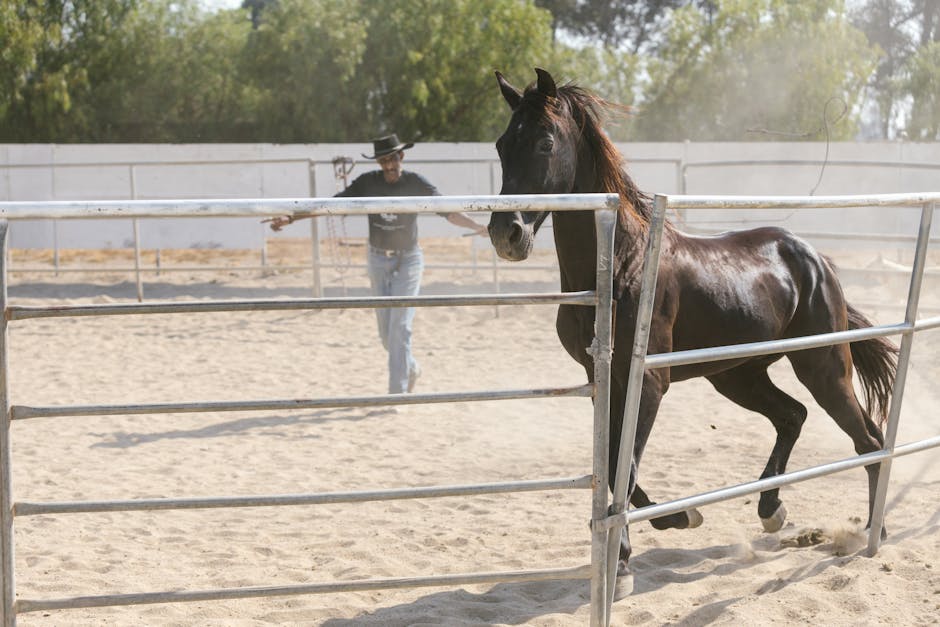
What does an animal wrangler do?
What Does an Animal Wrangler Do on a Film Set?
The job starts long before cameras roll. Animal wranglers read the script to identify every scene involving animals — even a background horse or a passing cat — and begin training weeks or months before principal photography.
Pre-production duties:
- Analyze the script and storyboards for all animal action
- Source appropriate animals (from own inventory, agencies, or rescues) and assess their suitability
- Begin behavioral conditioning using positive reinforcement methods
- Coordinate with the American Humane Association (AHA) or Animal Protection Agency for certification
- Secure holding facilities, arrange veterinary services, and plan transportation logistics
- Brief production on safety protocols, restricted areas near animals, and emergency procedures
On-set duties:
- Position animals for each setup and cue specific behaviors on the director’s mark
- Attend safety briefings with cast and crew before any animal sequence
- Monitor animal stress levels continuously between takes — removing them if behavioral signs indicate distress
- Supervise background animal handlers
- Coordinate with the 1st AD on scheduling to avoid overworking animals
Post-production duties:
- Return animals to their facilities and complete transport documentation
- Maintain detailed care logs throughout the production run
- Follow up on health monitoring for any animal that had prolonged set exposure
Animal wranglers handle a wide range of species: domestic animals (dogs, cats), horses and livestock, birds of prey, exotic and wild species, reptiles, insects, and marine animals. Specialists often focus on one category — equine wranglers, for example, typically hold separate expertise from reptile handlers.
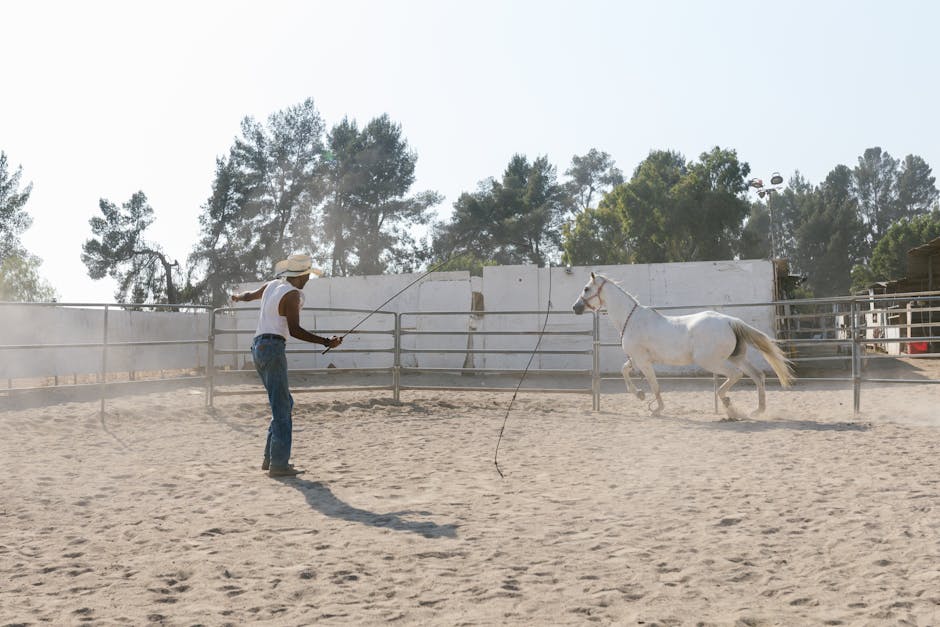
Animal wrangler salary
Animal Wrangler Salary and Day Rates
In Hollywood, animal wranglers are represented by Teamsters Local 399, which covers animal trainers alongside transportation coordinators and other specialty crew. Union rates set a floor; actual compensation varies significantly by species, production budget, and the wrangler’s reputation.
General ranges based on available data:
- Annual salary: $36,000–$55,500 (25th to 90th percentile, U.S.)
- Average: approximately $43,000–$44,000/year
- Day rates: vary widely — a single-animal domestic handler earns less than an exotic animal specialist who brings their own trained lions or bears
Productions also pay separately for:
- Animal housing and care fees (rental of trained animals)
- AHA Certified Animal Safety Representative oversight: $1,200/day or $600/half-day
- Non-union animal safety coordinators: approximately $485/full day
The wrangler’s business model often means they own the animals they bring to set — meaning the day rate covers both labor and animal rental. A wrangler with a trained exotic species can command substantially higher fees than the general salary data suggests.
How to become an animal wrangler
How to Become an Animal Wrangler in Film
No single pathway exists. Most working animal wranglers came up through hands-on experience, not formal education — though a degree in animal science, zoology, or veterinary technology strengthens a hire’s credibility.
The primary route:
- Work with animals in a professional capacity (veterinary technician, zookeeper, equine trainer, wildlife rehabilitator)
- Pursue a 2-5 year apprenticeship under an established film animal trainer or company
- Build a roster of trained animals appropriate for production work
- Obtain relevant certifications: AHA compliance training, USDA licensing for exotic species
Relevant organizations:
- American Humane Association — requires productions to use AHA-monitored animal action; wranglers who work with AHA reps regularly build relationships that generate referrals
- Teamsters Local 399 — union membership for Hollywood productions; covers animal trainers in Los Angeles and New Mexico
The barrier to entry isn’t credentials — it’s owning or having access to production-ready animals that have been desensitized to film set environments: lights, loud equipment, crowds, and repeated takes.
Where Does the Animal Wrangler Appear in Film Credits?
Animal wranglers appear in the end credits only — they do not receive opening title cards. Their credit block typically appears in the latter portion of the crew scroll, grouped depending on the production’s crediting conventions.
Common placement patterns:
In most productions, animal wranglers are credited under a dedicated “Animals” or “Animal Department” section in the end credits. Depending on the production, this may appear:
- Near the transportation and logistics departments (especially on Teamsters-represented productions)
- As a standalone block after the main below-the-line departments
Standard credit title formats:
| Credit Title | Usage |
|---|---|
| Animal Wrangler | General all-species role |
| Head Animal Wrangler | Lead wrangler on productions with multiple handlers |
| Horse Wrangler | Equine-specific productions |
| Reptile Wrangler | Snake, lizard, and crocodilian specialists |
| [Species] Wrangler | Production-specific credits: “Cat Wrangler,” “Bee Wrangler,” “Roach Wrangler” |
| Animal Trainer | Used interchangeably; typically indicates the trainer owns and has conditioned the animal |
| Animal Coordinator | Senior wrangler overseeing multiple handlers |
Productions with multiple animal wranglers list the Head or Lead first, followed by remaining handlers in alphabetical order or order of hiring.
How to Credit an Animal Wrangler Correctly
Standard format:
Animal Wrangler ................ JULES SYLVESTER
Animal Wrangler ................ SARAH CHEN
Or in a grouped department block:
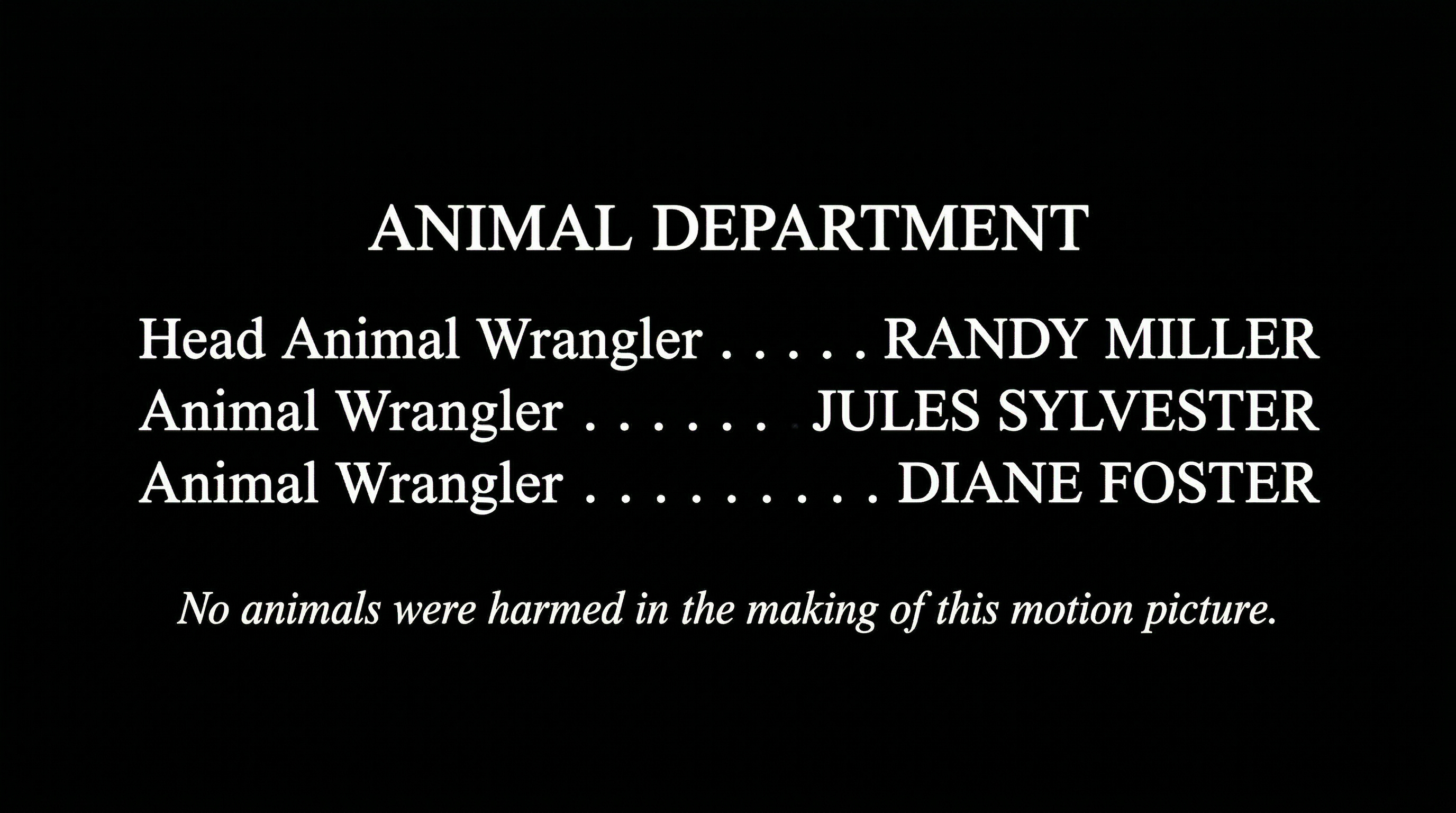
ANIMAL DEPARTMENT
Head Animal Wrangler ........... RANDY MILLER
Animal Wrangler ................ DIANE FOSTER
Animal Wrangler ................ CARLOS REYES
The “No Animals Were Harmed”® disclaimer is a separate credit element — not part of the animal wrangler’s personal credit. It appears as a standalone statement in the end credits, typically at the tail end of the roll:
“No animals were harmed in the making of this motion picture. The American Humane Association monitored the animal action.”
This certification has appeared in film credits since The Doberman Gang (1972). Productions that use AHA-monitored animal action include this statement as a contractual requirement for SAG-AFTRA signatories. The disclaimer’s presence (or absence) signals whether the production followed AHA protocols — and by extension, whether a professional wrangler with AHA oversight was involved.
If one wrangler handled multiple species, they receive a single credit line. If a production engaged an animal company rather than a freelance wrangler, the company name may appear instead of or alongside individual names.
Animal Wrangler vs. Animal Trainer
The terms are used interchangeably on set and in credits, but a practical distinction exists:
- Animal Trainer typically refers to the person who has conditioned the animal’s behaviors over months or years before any production
- Animal Wrangler emphasizes the on-set management role — positioning, cueing, and supervising animals during filming
In practice, most film animal wranglers are both. They train their own animals and wrangle them on set. The distinction becomes relevant when a trainer supplies a pre-trained animal that a separate handler manages on the day — in that case, both “Animal Trainer” and “Animal Handler” or “Animal Wrangler” credits may appear separately.
The terms don’t carry different union rates or screen credit hierarchy — both appear in the same department block.
Notable Animal Wranglers in Film History
Jules Sylvester is among the most prolific reptile specialists in Hollywood, handling exotic and venomous snakes across more than 300 productions. His credits include Indiana Jones and the Last Crusade, Snakes on a Plane, Pee-wee’s Big Adventure, and Jurassic Park. He has worked with venomous serpents for over 50 years without sustaining a bite — a record that reflects the depth of species-specific expertise the role demands at the highest level.
Randy Miller operates Predators in Action, a training facility specializing in exotic predators. His bear actor Rocky — trained to simulate wrestling with humans — appeared in Semi-Pro (2008). Miller’s work demonstrates the overlap between animal wrangling and stunt coordination when large animals perform alongside actors.
Trevor Smith, a British animal wrangler who has worked globally on films and commercials, handled a particularly challenging sequence for Trillions — training ants to crawl up an actor’s trousers on cue. “It took days and days,” Smith has noted. “Every time they wanted to do the shot again, the man’s trousers were absolutely full of ants.” That’s the unglamorous reality the credits don’t convey.
Create professional end credits that correctly format your animal department with EndCreditsPro. Build guild-aware credit sequences in minutes — including department blocks, credit title formats, and proper ordering for every crew member.
Sources & Further Reading
- American Humane — No Animals Were Harmed® Program
- Wrapbook — Animal Safety & Handling Compliance on Set
- Saturation.io — Animal Wrangler Film Crew Position
- Reel Canada — Careers in Film
- ZipRecruiter — Animal Wrangler Salary Data
Related roles: Stunt Coordinator · Location Manager · Unit Production Manager · Line Producer · Film Crew Roles Hub
See also:
- Film Credits Format Order Guide — full end credit order for every department
- SAG-AFTRA Compliance Guide — performer-side rules that govern productions using animals on set